ServicesHeat Pumps
Heat Pumps in Tekoa
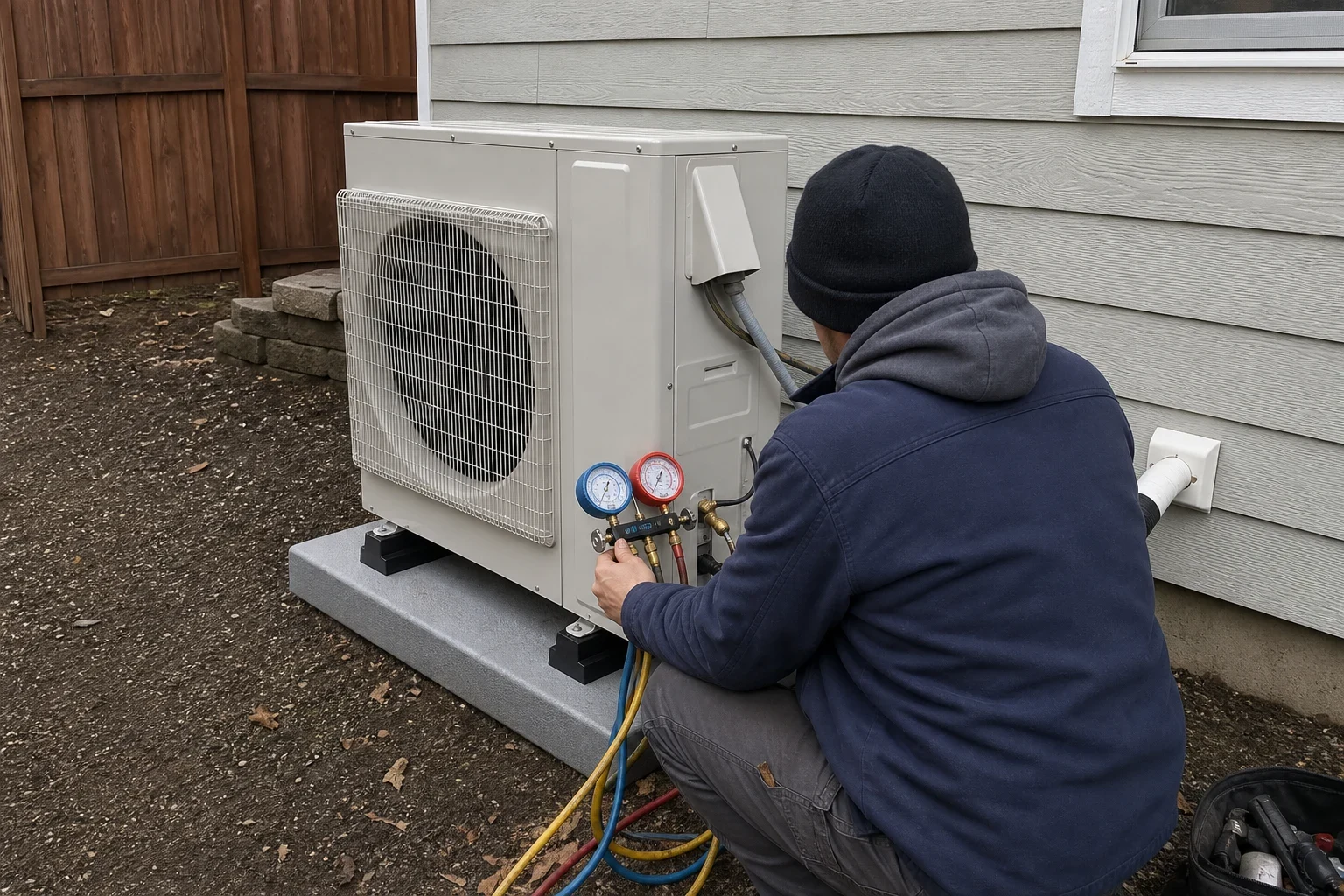
One system that heats your home in winter and cools it in summer. We install and repair cold-climate heat pumps, size them to your house, and help you claim the rebates and tax credits that come with them. Best of all, we get it done before the season turns.
Heating and Cooling From One Machine
A heat pump moves heat instead of making it. In winter it pulls heat out of the outside air and brings it in. In summer it runs the other way and pushes heat out. Newer cold-climate models keep working well into single digits, which matters here.
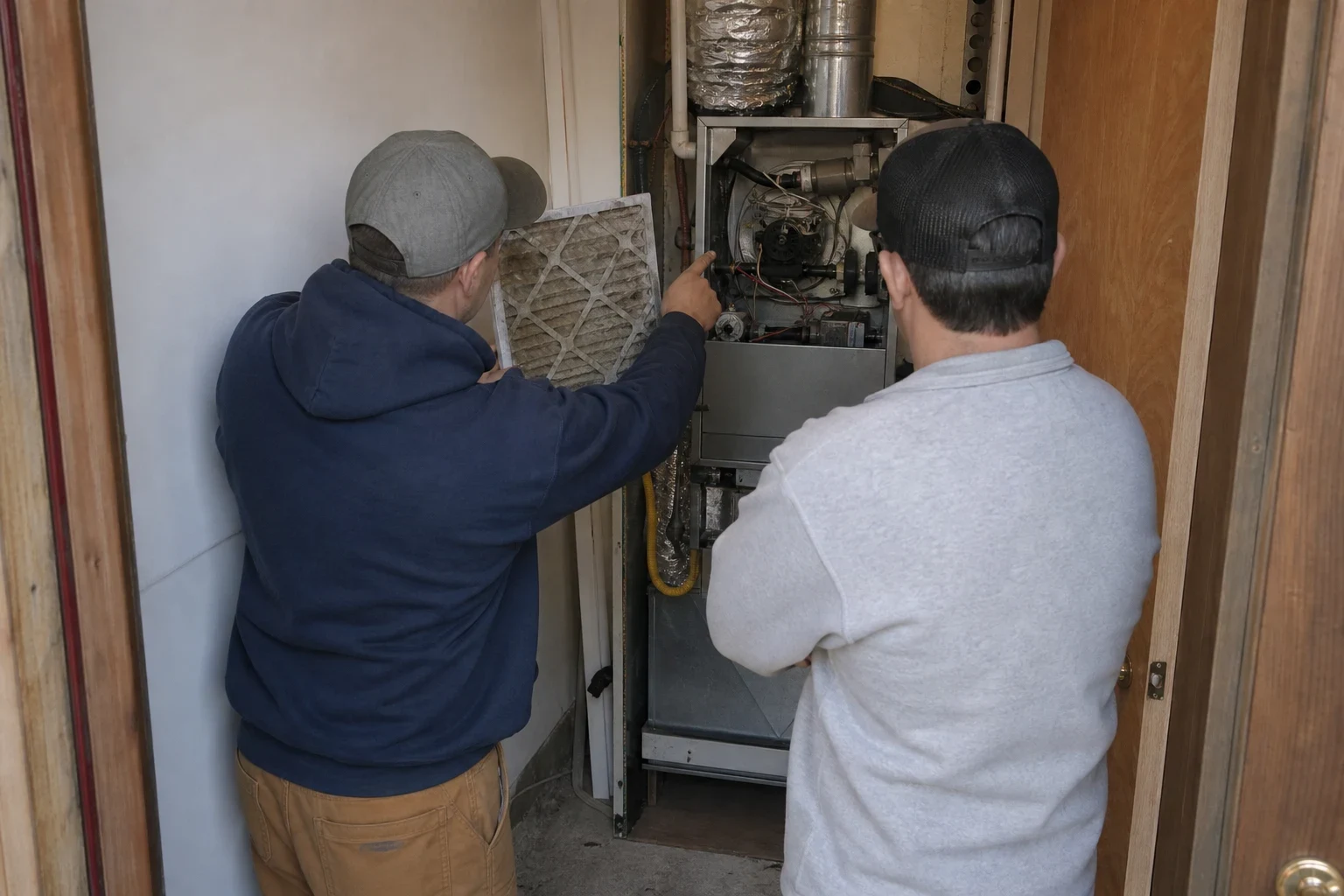
It's a good fit if you're replacing an old electric furnace, baseboard heat or an aging AC, or if you want to burn less propane or gas. Some homes pair a heat pump with an existing furnace as backup for the coldest nights. If your house has no ducts, ductless mini-splits are often the better route, and we can walk you through that too.
Timing matters. The best time to swap systems is spring or early fall, when you're not leaning hard on heat or cooling. We plan installs around that so you're not without comfort in the middle of a cold snap.
What a Heat Pump Job Includes
- A load calculation
- We measure your home and look at insulation, windows and which way it faces. That tells us how much heat you actually need. An oversized unit short-cycles and an undersized one runs nonstop in January.
- Cold-climate equipment
- We recommend units rated to keep heating at low outdoor temperatures. We'll tell you how the unit performs at 5 degrees, not just at 47.
- Backup heat setup
- Electric heat strips or your existing furnace kick in when it gets too cold for the heat pump alone. We set the switchover point so the backup isn't running more than it needs to.
- Outdoor unit placement
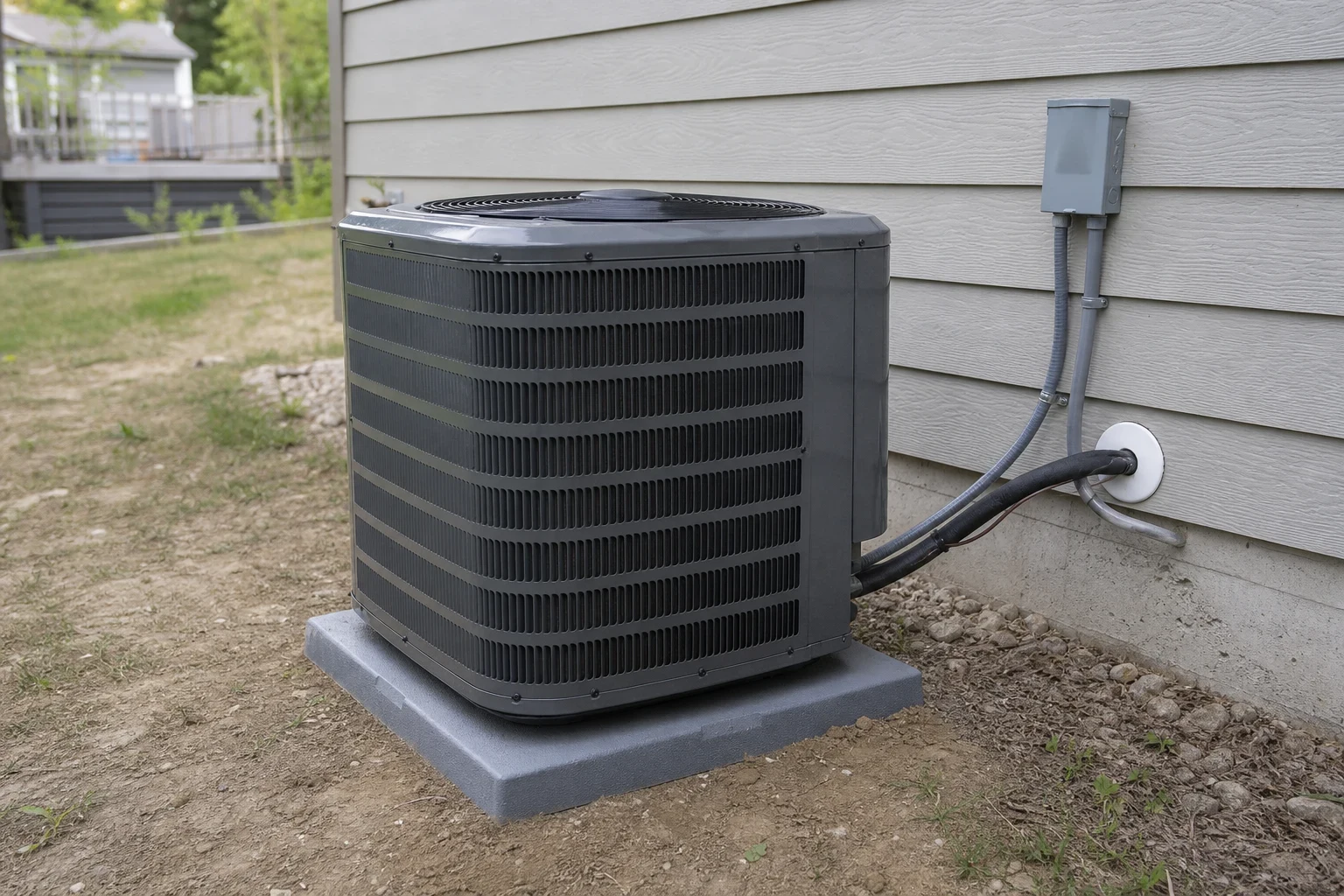
- We set the outdoor unit on a raised pad or stand so snow and ice don't bury it, and away from roof drip lines. Defrost water needs somewhere to go, so we plan for that too.
- Rebate and tax credit paperwork
- We help you claim Avista rebates and federal tax credits on heat pumps. We'll tell you which models qualify before you choose.
- Repairs on existing heat pumps
- Stuck defrost, bad reversing valves, low refrigerant, failed capacitors. We find the cause and give you a written quote before any work begins.
Signs Your Heat Pump Needs Attention
Backup heat runs all the time
If your thermostat shows aux or emergency heat on mild days, the heat pump isn't carrying its share. Your power bill will show it first.
Ice that won't clear
Some frost in winter is normal, and the unit should defrost itself every so often. A coil caked in solid ice for hours points to a defrost problem or low refrigerant.
Lukewarm air from the vents
Heat pump air feels cooler than furnace air, but it shouldn't feel cold. If rooms won't reach the setting, something is off.
Loud grinding or banging
A whoosh during defrost is normal. Grinding, rattling or a hard clunk at startup usually means a fan, motor or compressor issue.
It won't switch modes
Stuck on cooling when you want heat, or the other way around, often comes down to the reversing valve or a control board.
How a Heat Pump Install Goes
- 1
Visit and free estimate
Estimates are free on installations and replacements. We look at your current system, your electrical panel and where the outdoor unit can go, then talk through options.
- 2
Written quote
You get a written quote with the equipment, labor and any electrical work spelled out. We also note which rebates the system qualifies for.
- 3
Install day
Most installs take one to two days. We cover floors where we walk, set the outdoor unit, run the refrigerant lines and wire the controls. We haul away your old equipment.
- 4
Start-up and walk-through
We charge the system, test heating and cooling, and set the backup heat lockout. Then we show you how the thermostat works and what normal defrost looks like.
What Moves the Cost of a Heat Pump
Every house is different, so we don't quote a heat pump over the phone without seeing it. After the visit you get a written number with nothing hidden. Rebates and tax credits can take a real bite out of the final cost.
- Size and efficiency
- Bigger homes need more capacity. Higher-efficiency, cold-climate models cost more up front but run cheaper through a long winter.
- Backup heat choice
- Keeping your furnace as backup, or adding electric heat strips, changes the equipment and wiring involved.
- Electrical work
- Older panels sometimes need a new breaker or an upgrade to carry the load. We check this on the first visit so it isn't a surprise later.
- Placement and line runs
- A long refrigerant line run or a hard-to-reach spot for the outdoor unit adds labor and material.
Heat Pump Questions We Hear
Something not covered here? (509) 204-1886
Will a heat pump really keep my house warm in January?
A cold-climate model will handle most winter days on its own. On the coldest nights the backup heat helps out. We size and set up the system so you stay warm without the backup doing most of the work.
Can I keep my furnace?
Often, yes. A heat pump paired with a gas or propane furnace is called a dual-fuel setup. The heat pump runs most of the year, and the furnace takes over when it gets too cold for the heat pump to be the cheaper option.
What rebates can I get?
Avista offers rebates on qualifying heat pumps, and there are federal tax credits too. We help you claim both. Rules and qualifying models change, so we check what applies when we write your quote.
When is the best time to install?
Spring and early fall. You aren't relying hard on heat or cooling, so a day of downtime is no big deal. It also means the system is set up and tested before the season hits.
My heat pump quit on a freezing night. Can you come out?
Yes. We offer 24/7 emergency HVAC repair, and there are no emergency or after-hours fees. If you need us before morning, give us a call.
Get Ready for the Next Season
Tell us about your home and what you heat with now. We'll set up a visit and give you a free quote on the right heat pump, rebates included.