ServicesFurnace Installation
Furnace Installation in Tekoa
We replace worn-out furnaces with new ones sized to your home, not to the old label. You get a free estimate, a written quote before any work begins, and a furnace running and tested before the first hard freeze.
A new furnace, put in right the first time
A furnace swap looks simple. Pull the old box, set the new one. The trouble starts when the new unit is the wrong size, the venting doesn't match, or the gas line was never checked. Then you get short cycles, cold rooms and a furnace that wears out early.
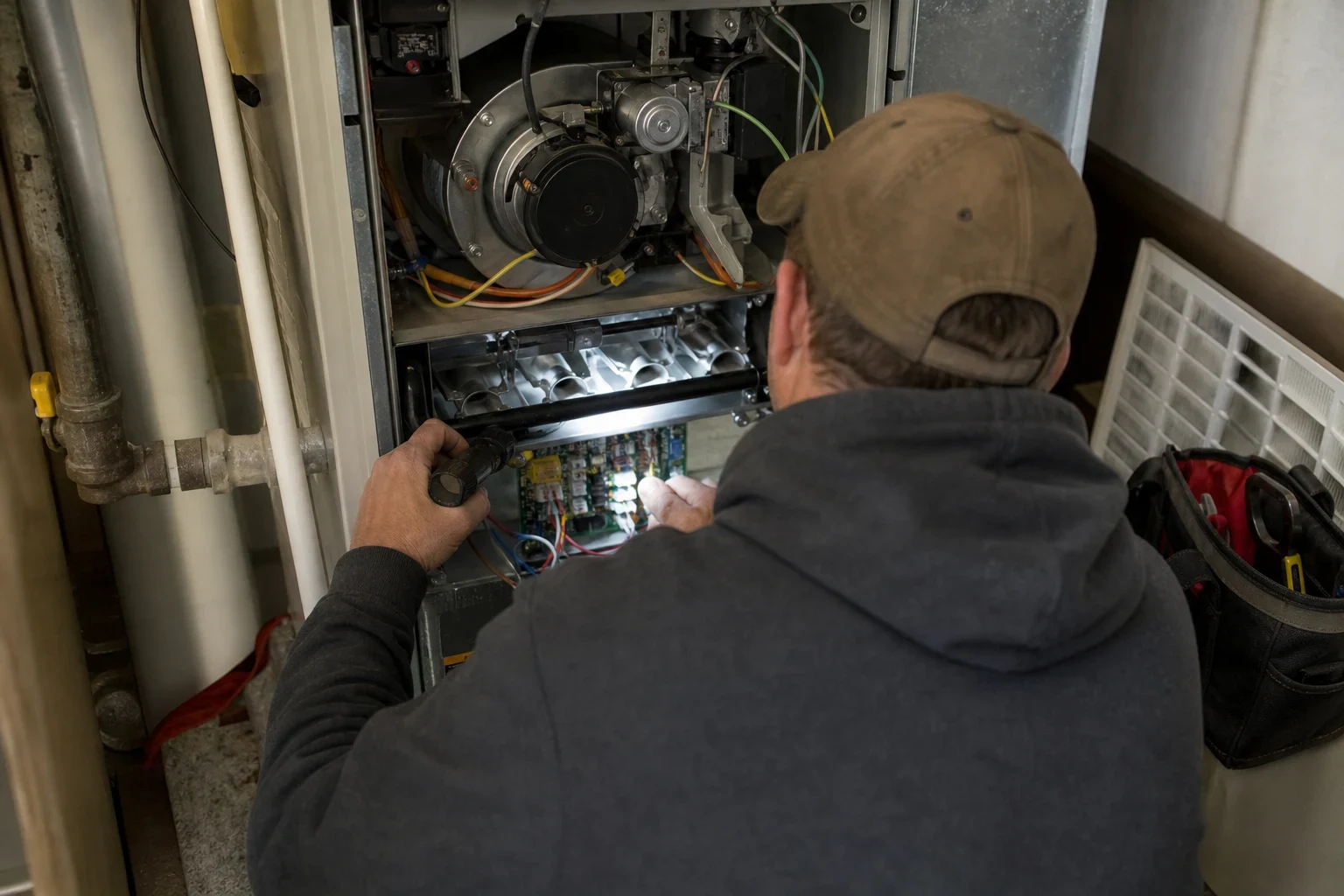
We start with your home, not the catalog. We look at square footage, insulation, windows and how the house holds heat, then match the furnace to that. We connect it to your existing system, set up the venting and gas, and test it under real load before we leave.
The best time to do this is late summer or early fall. Winter around here doesn't wait, and a planned install beats a rushed one on a cold night.
What the install includes
Heat load sizing
We figure out how much heat your home actually needs. A furnace that's too big runs in short bursts and wastes fuel. Too small and it runs nonstop on the coldest days.
Removal and haul-away
We disconnect the old furnace, cap what needs capping and take it with us. You don't have to deal with it.
Gas, venting and electrical hookups
We connect the gas line, check it for leaks and set up the flue. High-efficiency furnaces vent through PVC and need a condensate drain, so we plan that route before install day.
Thermostat setup
We wire and set your thermostat so it talks to the new furnace correctly. If you want a new one, we'll go over options when we quote.
Permit and inspection
We pull the permit and schedule the inspection. The work gets checked by someone besides us.
Startup and testing
We fire it up, check gas pressure, temperature rise and safety controls, and walk you through filter changes and basic care.
Signs it's time for a new furnace
Repairs keep stacking up
If you've paid for two or three repairs in a couple of years, the money may be better spent on a new unit. We'll give you a straight answer on repair or replace.
It's 15 to 20 years old
Most furnaces wear out somewhere in that range. Parts get harder to find and efficiency drops.
Heating bills climb with no reason
Same thermostat, same weather, bigger bill. An older furnace often has to run longer to do the same job.
Some rooms never warm up
Uneven heat can point to a furnace that's undersized or failing to move enough air.
Cracked heat exchanger or rust
A cracked heat exchanger can let combustion gases into your home. If a tech finds one during a furnace repair visit, replacement is usually the safe call.
How the job goes
- 1
Free estimate at your home
We come out, look at the old furnace, measure and ask how the house heats now. Then you get a written quote with the equipment and labor spelled out.
- 2
Pick a date
We schedule the install around you. Booking in late summer or early fall gives you the most choice of dates.
- 3
Install day
We lay down floor protection, remove the old unit and set the new one. Most straight swaps take one day. Venting changes for a high-efficiency unit can add a few hours.
- 4
Test and walk-through
We run the furnace through full cycles, check the readings and show you how to change the filter. We clean up before we go.
- 5
Inspection
The inspector signs off on the permit. If anything needs a tweak, we handle it.
What sets the price
Every house is different, so we don't quote a furnace over the phone sight unseen. The visit is free, and the written quote shows what you're paying for. These are the things that move the number most.
- Efficiency level
- A standard 80 percent furnace costs less up front. A 95 percent condensing furnace costs more but burns less gas every winter, and it needs new PVC venting and a drain.
- Size and fuel
- Bigger heat output means a bigger unit. Gas, propane and electric furnaces all price differently.
- Where it sits
- A basement install is the easiest. Tight closets, crawlspaces and attics take more time and labor.
- Changes to gas, venting or wiring
- If the gas line, flue or electrical needs updating to meet code, that adds to the job. We'll point it out at the estimate.
- Timing
- Fall and early winter are the busiest months. Planning ahead gives you more flexibility on dates.
Furnace installation questions
Something not covered here? (509) 204-1886
How long does a furnace install take?
Most like-for-like replacements are done in one day. If we're switching to a high-efficiency unit with new venting, it can run longer. We'll tell you what to expect when we quote.
Should I go with a high-efficiency furnace?
In a place with long, cold winters, the gas savings usually add up. It depends on how long you plan to stay and whether venting can be routed easily. We'll lay out both options side by side.
Can I keep using my old furnace until install day?
Usually yes, as long as it's running safely. If we find a cracked heat exchanger or a gas issue, we'll tell you to shut it down and get you on the schedule.
Should I look at a heat pump instead?
Maybe. Some homes do well with a heat pump paired with a furnace as backup for the coldest nights. Ask us at the estimate and we'll go over it, or read our Heat Pumps page.
When is the best time to replace a furnace?
Late summer through early fall. You get more scheduling choice, and the new furnace is tested and ready before you need it every day.
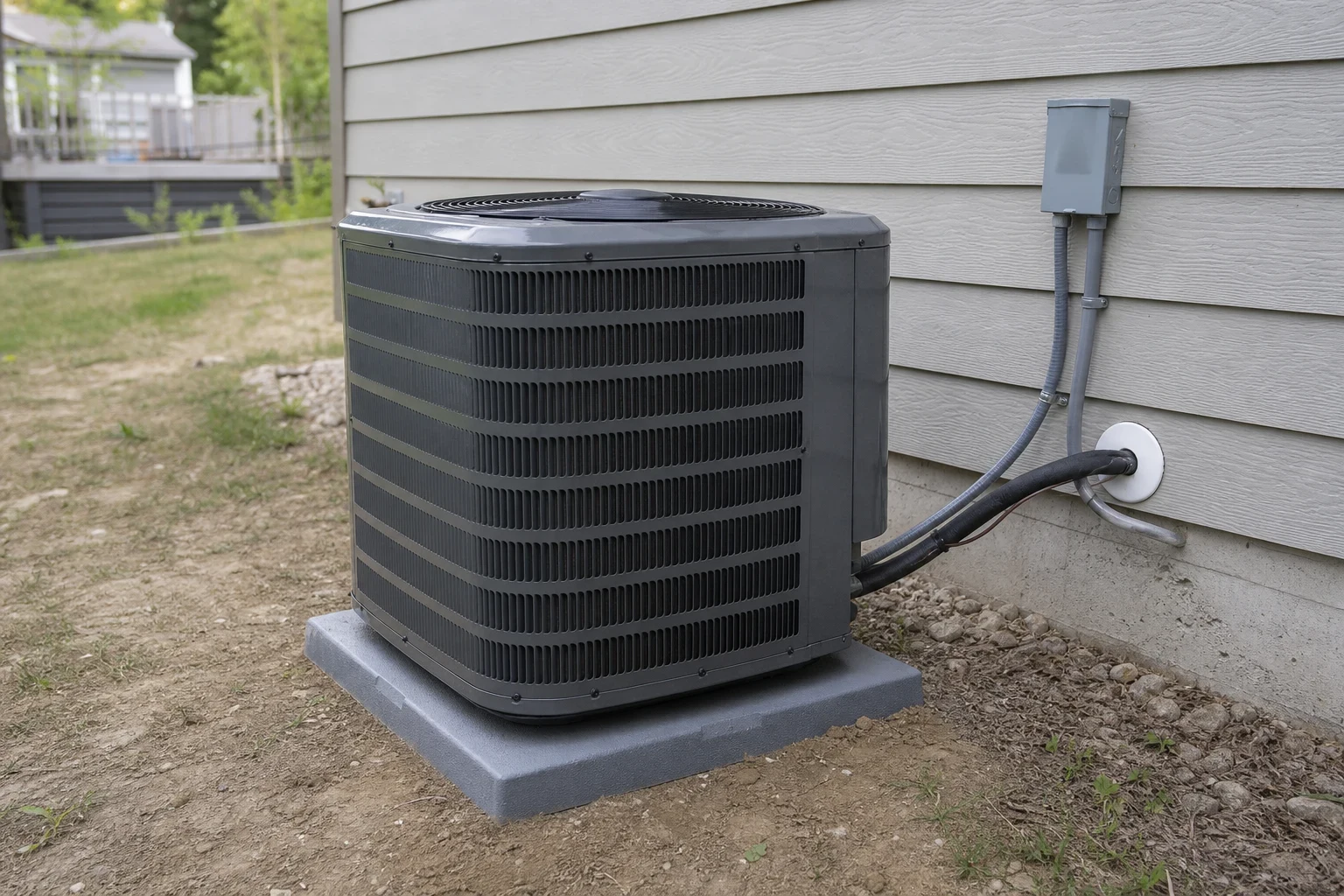
Get your new furnace in before winter
We'll come out, size it right and give you a written quote. No pressure, just the numbers and our honest take.